Complete Building Solutions for All Undertakings
Extensive construction services are crucial for the proper handling of any building project. They allow smooth coordination across all steps, ensuring effective dialogue and collaboration among teams. This strategy not only minimizes setbacks but also strengthens compliance with budgets and timelines. As stakeholders pursue higher quality outcomes, understanding the various services available becomes increasingly vital. What particular factors contribute to a project's success, and how can they be effectively implemented?
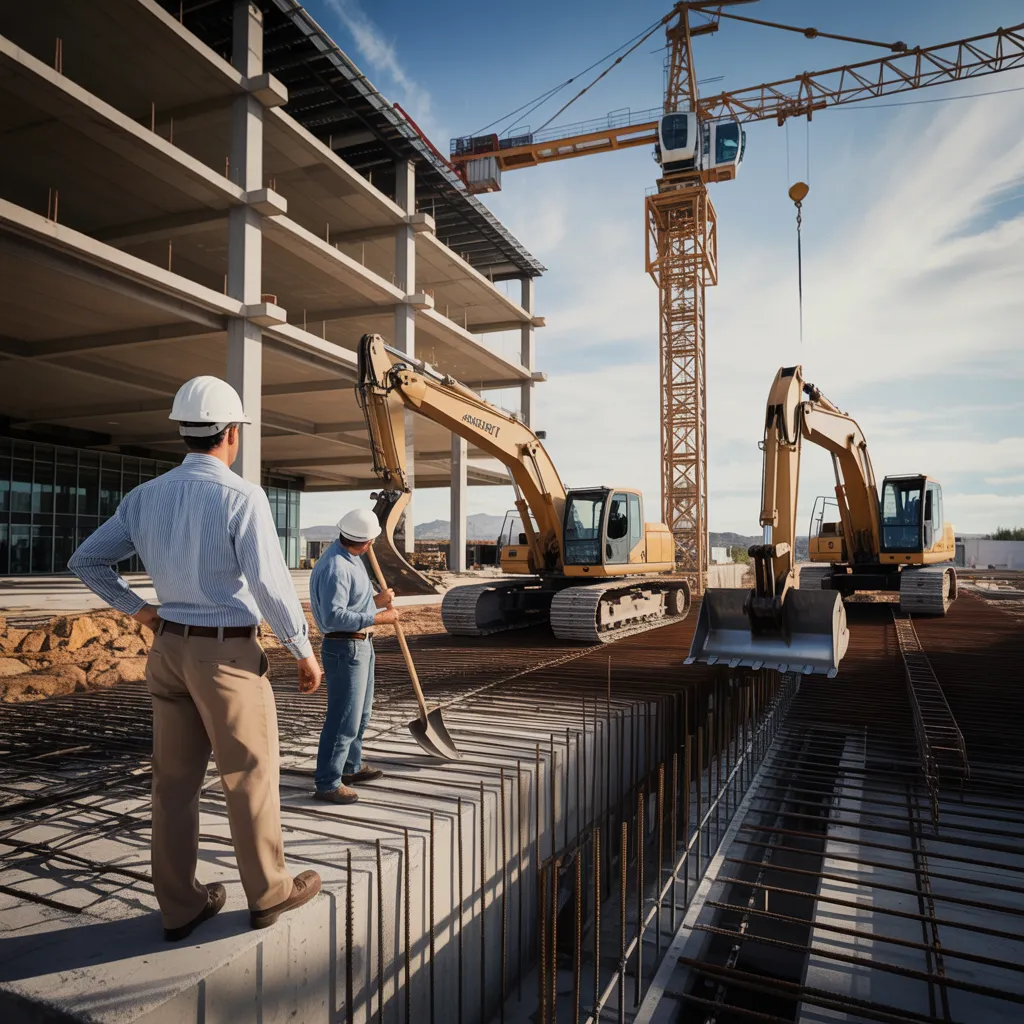
Why Complete Construction Solutions Matter
Complete building solutions are essential because they optimize the construction workflow, confirming that all project phases are synchronized smoothly. These offerings cover a array of activities, involving planning, design, and execution, which advance the overall expert tips success of your initiative. By coordinating various teams and resources, comprehensive building solutions minimize the chance of misunderstandings and delays.
Furthermore, they facilitate compliance with timelines and budgets, identifying potential issues proactively. This degree of coordination cultivates a team-oriented environment, permitting stakeholders to engage openly and efficiently.
Additionally, extensive offerings ensure compliance with local regulations and safety standards, minimizing risks associated with construction activities. Overall, the integration of thorough construction services improves project quality, resulting in durable and sustainable outcomes. In an industry where precision matters, such services provide the necessary framework for achieving client satisfaction and meeting project goals.
Essential Building Services for Homeowners
Homeowners wanting to enhance their living spaces can benefit greatly from crucial construction services tailored to their specific needs. These services include a variety of offerings, comprising remodeling, renovations, and repairs, which allow homeowners to transform outdated areas into modern, functional spaces. Kitchen and bathroom remodels often yield significant returns on investment, improving both aesthetics and utility.
Moreover, outside maintenance like roofing and siding repairs ensure the home remains secure and attractive in appearance. Garden design and patio improvements establish welcoming spaces for relaxation and entertainment.
Homeowners can take advantage of energy-efficient upgrades, which lower utility costs while advancing sustainability. By working with skilled professionals, homeowners can manage the complexities of construction projects with ease, confirming adherence to local regulations and timelines. Overall, these essential services equip homeowners to achieve their visions, ultimately boosting property value and quality of life.
Important Services for Commercial Building
Throughout commercial construction, proficient project execution and optimal material sourcing represent core components. These services ensure that projects are completed on time and within budget while maintaining high standards. Grasping their significance can support more successful construction outcomes.
Project Oversight Knowledge
Throughout the traversal of commercial construction dynamics, effective project management expertise becomes essential to accomplish timely handoff and spending control. Skilled project managers function in directing various elements of a construction project, including scheduling plans, asset management, and communication with stakeholders. They employ innovative approaches to mitigate risks and adapt to sudden changes, confirming that projects remain on track. By leveraging digital platforms and data analytics, project managers can improve planning outcomes, optimizing efficiency and productivity. In addition, their skill in promoting collaboration among construction teams, architects, and clients is indispensable for bringing alignment and meeting targets. At the end of the day, world-class project management skills acts as the cornerstone of successful commercial construction undertakings, driving projects from ideation to completion with meticulous care.
Excellent Material Sourcing
Quality material sourcing represents a vital factor in the field of commercial construction, directly impacting project resilience and overall success. Effective material sourcing entails choosing premium-quality materials that satisfy specific project requirements while maintaining budget constraints. This undertaking often calls for developing strong relationships with dependable suppliers to ensure punctual arrival and consistency in quality. Furthermore, knowledge of local regulations and eco-friendly practices serves an essential function in sourcing decisions. By emphasizing quality materials, construction companies can improve structural integrity and minimize extended maintenance costs. In the final analysis, an emphasis on quality material sourcing not only meets a project's immediate goals but also enhances its longevity and durability in a competitive market.
Picking the Right Construction Services for Your Project?
When assessing building contractors, it is essential to define project specifications clearly to ensure compliance with goals. Evaluating the qualifications of potential service providers further enhances the likelihood of a successful outcome. Thorough evaluation of such elements can result in a more efficient and effective building process.
Articulate Project Expectations Explicitly
Articulating scope specifications in a clear manner is essential for selecting the most appropriate building support. This means identifying specific goals, timeframes, budgets, and necessary materials. A well-defined scope of work helps assure that all stakeholders comprehend mutual expectations. In addition, providing information on regulatory standards or site-specific conditions can avert potential delays and confusion in the construction phase. When establishing defined standards early in the process, project directors can relay their specific needs to prospective vendors, facilitating wiser decision-making. In summary, comprehensive record-keeping of project requirements makes selection more efficient while also creating the groundwork for smooth outcomes and limits the risk of expensive changes down the road.
Evaluate Service Provider Expertise
How can project managers guarantee they choose the most qualified construction service providers? Evaluating the expertise of prospective service providers is critical. This process starts with examining each contractor's portfolio, which displays past projects and applicable background. Construction leaders should also verify permits, credentials, and coverage to validate adherence with industry standards. Gathering recommendations and client testimonials can offer insights into a provider's reliability and workmanship. Additionally, performing interviews allows construction leaders to evaluate communication skills and understanding of project specifications. Comparing proposals not only on price but also on scale, schedules, and standards can further assist in selection. Ultimately, a thorough evaluation of contractor qualifications lays the groundwork for successful project execution and fulfillment.
Improving Your Building Project Productively
Accomplishing productivity in construction projects requires embracing a organized plan that minimizes delays and optimizes resource allocation. Clear dialogue among team members is essential, making certain that everyone remains aligned with project goals and timelines. Using project management software can improve workflows, allowing for real-time updates and task tracking.
Furthermore, adopting a staged methodology allows teams to focus on specific project segments, minimizing the likelihood of duplicate efforts that can result in confusion. Consistent progress assessments and adjustments derived from performance metrics help identify possible obstacles early.
Establishing clear roles and responsibilities promotes accountability, pushing teams to meet deadlines without sacrificing quality. Furthermore, engaging in proactive risk management equips teams for unexpected challenges, enabling swift responses that keep projects on track. By integrating these strategies, construction projects can achieve greater efficiency, lowering costs and enhancing overall outcomes.
Creating Your Building Endeavor That Is Sustainable and Superior in Quality
Embracing eco-friendly approaches in building not only enhances construction standards but also minimizes ecological footprint. By incorporating eco-friendly materials and methods, construction companies can greatly reduce waste generation and power usage. This approach not only satisfies regulatory requirements but also appeals to eco-aware clients.
Harnessing sustainable alternatives, such as bamboo or recycled metals, facilitates durability while lowering carbon footprints. Additionally, choosing energy-efficient technologies, like solar panels and advanced insulation, guarantees extended operational economies and improved building performance.
Working with environmentally certified professionals significantly enhances project standards, guaranteeing adherence with environmental standards.
Moreover, establishing a waste control strategy during the construction phase can streamline processes, decreasing expenses and ecological damage.
Ultimately, a dedication to environmental responsibility in construction creates high-quality projects that resonate with both stakeholders and the community, establishing a legacy of ethical building practices. Such commitment not only enhances the reputation of construction firms but also contributes to a healthier planet.
Regular Inquired Questions
What Are the Common Schedules for Building Undertakings?
Typical periods for construction projects differ greatly, typically extending from a few months to several years. Factors influencing duration comprise extent of project, level of difficulty, permit acquisition, environmental conditions, and resource availability, impacting overall completion time.
How Do I Handle Unanticipated Construction Delays?
To deal with unforeseen building delays, one should assess the situation, communicate with stakeholders, adjust timelines, and investigate alternatives. Flexibility and proactive planning can reduce consequences and keep the project on track despite challenges.
What Permits Must Be Acquired for Construction Undertakings?
Various permits are required for construction projects, including building, electrical, water, and land use permits. The particular needs are determined by local regulations, project scope, and site, requiring consultation with local authorities for adherence and direction.
In What Way Is Project Budgeting Controlled During Construction?
Project budgeting is overseen through ongoing supervision of expenses, revising forecasts based on actual costs, and keeping stakeholders informed among stakeholders. This guarantees synchronization with financial goals and quick recognition of potential overruns or savings.
What Safety Standards Are Established on Project Sites?
Construction sites utilize diverse safety measures, encompassing ongoing safety education, application of protective gear, clear signage, site inspections, contingency plans, and observance of regulations to decrease dangers and guarantee the well-being of workers.